
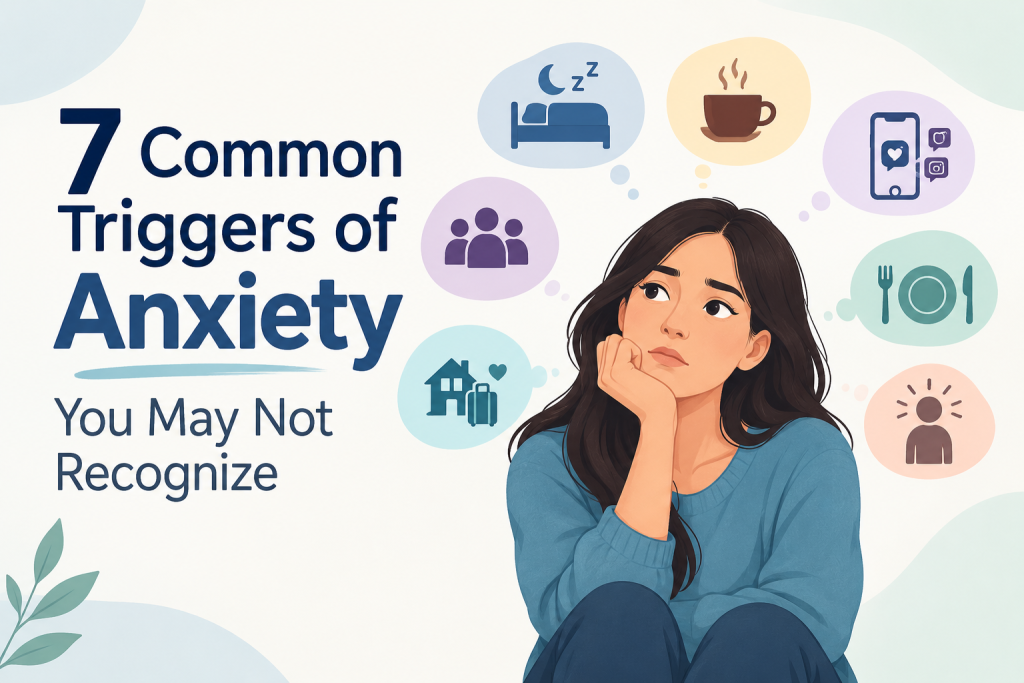
Have you ever felt anxious without knowing exactly why?
Sometimes, anxiety appears even when everything seems fine on the surface. You may feel restless, overwhelmed, nervous, or unable to stop worrying, but there may not be one obvious reason behind it.
The reality is that anxiety can be influenced by everyday habits, lifestyle changes, relationships, work pressure, and even things we don’t usually consider stressful.
Understanding these less obvious triggers can help you recognize patterns and take the right steps toward better mental well-being.
If anxiety is becoming difficult to manage, professional support such as anxiety treatment in Ranchi can help you understand your symptoms and explore suitable treatment options.
1. Poor or Irregular Sleep
Sleep and mental health are closely connected.
A few late nights may not seem like a major concern, but consistently poor or irregular sleep can make it harder to cope with everyday stress. When you’re tired, small problems can sometimes feel much bigger than they actually are.
You may notice:
- Increased irritability
- Racing thoughts at night
- Difficulty concentrating
- Feeling overwhelmed
- Increased nervousness
Try maintaining a regular sleep schedule and creating a relaxing bedtime routine. Reducing screen time before bed may also help.
If anxiety and sleep problems continue together, speaking with a mental-health professional can help identify whether there is an underlying issue that needs attention.
2. Too Much Caffeine
For many people, coffee or tea is simply part of the daily routine. However, consuming too much caffeine can sometimes make you feel more restless or nervous.
Caffeine stimulates the nervous system and may cause symptoms such as:
- Rapid heartbeat
- Shakiness
- Restlessness
- Difficulty sleeping
- Feeling unusually nervous
Not everyone responds to caffeine in the same way. If you regularly experience anxiety, pay attention to whether your symptoms become stronger after consuming coffee, energy drinks, or other caffeinated beverages.
Reducing your intake, particularly later in the day, may be worth trying.
3. Constant Phone and Social Media Use
How often do you check your phone throughout the day?
Messages, notifications, social media, news updates, and endless scrolling can keep your brain constantly stimulated.
Social media can also encourage comparisons with other people. Seeing carefully selected versions of other people’s lives may sometimes contribute to feelings of inadequacy, pressure, or worry.
If you notice that you feel more anxious after spending a lot of time online, consider taking regular digital breaks.
Try putting your phone away for a while, particularly during meals and before going to bed.
4. Skipping Meals or Poor Eating Habits
Your physical health can influence how you feel emotionally.
Skipping meals or going for long periods without eating can leave you feeling weak, shaky, irritable, or uncomfortable. Some of these physical sensations can resemble symptoms of anxiety.
Maintaining regular meals, staying hydrated, and following a balanced diet can support your overall well-being.
If you notice that anxious feelings regularly appear when you’re hungry or haven’t eaten for several hours, your eating pattern may be worth considering as one possible trigger.
5. Saying “Yes” to Everything
Do you find it difficult to say no?
Constantly agreeing to additional responsibilities can gradually increase stress. You may accept extra work, social commitments, family responsibilities, or favors even when you already have too much on your plate.
Eventually, trying to meet everyone’s expectations can leave you feeling emotionally exhausted.
Setting healthy boundaries doesn’t mean you don’t care about others. It means recognizing your own limits.
Ask yourself:
“Am I saying yes because I genuinely want to, or because I’m afraid of disappointing someone?”
The answer may help you understand where some of your stress is coming from.
6. Keeping Your Feelings to Yourself
Some people deal with anxiety by keeping everything inside.
You may avoid talking about your worries because you don’t want to burden anyone or because you believe you should be able to handle everything on your own.
But unspoken worries can continue to occupy your mind.
Talking to someone you trust can sometimes make difficult emotions easier to manage. Depending on your situation, this could be a friend, family member, counsellor, psychologist, or psychiatrist.
Seeking professional support is not a sign of weakness. It can be an important step toward understanding your mental health.
7. Major Life Changes—Even Positive Ones
We often think anxiety is caused only by negative experiences. But even positive changes can create stress.
Starting a new job, moving to another city, getting married, beginning college, becoming a parent, or taking on a new responsibility can all involve uncertainty.
You may be excited about the change while also feeling nervous about what comes next.
That combination is completely understandable.
Give yourself time to adjust instead of expecting yourself to immediately feel comfortable with every new situation.
How Can You Identify Your Anxiety Triggers?
Everyone experiences anxiety differently. One of the best ways to understand your personal triggers is to look for patterns.
For a few weeks, consider keeping a simple record of:
- How much sleep you got
- What you ate and drank
- How much caffeine you consumed
- How much time you spent on social media
- What happened before you felt anxious
- What thoughts were going through your mind
- Whether you were dealing with a stressful person or situation
You may gradually notice connections between certain situations and your anxiety.
Recognizing these patterns can make it easier to discuss your symptoms with a mental-health professional and determine whether you may benefit from anxiety treatment in Ranchi.
When Should You Seek Professional Help?
Feeling anxious occasionally is a normal part of life. However, it may be time to seek professional support when anxiety becomes persistent, difficult to control, or begins affecting your everyday life.
Consider speaking with a mental-health professional if you experience:
- Frequent or intense anxiety
- Persistent worrying
- Panic attacks
- Difficulty sleeping because of worry
- Avoidance of work or social situations
- Difficulty concentrating
- Persistent restlessness or tension
- Physical symptoms associated with anxiety
A psychiatrist can assess your symptoms, consider possible underlying causes, and discuss appropriate treatment options.
If you are looking for a best psychiatrist in Ranchi, focus on finding a qualified professional whose experience and approach are appropriate for your individual needs rather than relying only on online rankings or labels.
Anxiety Treatment in Ranchi
If anxiety is interfering with your work, relationships, sleep, or everyday activities, you don’t have to simply live with it.
Anxiety treatment in Ranchi may involve different approaches depending on the individual’s symptoms and needs. These can include psychotherapy, lifestyle changes, medication when clinically appropriate, or a combination of approaches.
A psychiatrist can evaluate your symptoms and help determine what type of support may be suitable for you.
Remember, treatment is not one-size-fits-all. The right approach depends on the person, the symptoms, their severity, and other individual factors.
Final Thoughts
Anxiety doesn’t always come from a major stressful event.
Sometimes, it may be connected to something as ordinary as poor sleep, excessive caffeine, constant phone use, skipped meals, difficulty setting boundaries, or a major life change.
The goal isn’t to remove every source of stress from your life. Instead, it’s about understanding what affects you and learning healthier ways to respond.
Recognizing your triggers can be the first step toward understanding your anxiety.
If anxiety is becoming a regular part of your life or interfering with your daily activities, consider speaking with a qualified mental-health professional. With the right support, anxiety can be understood and managed.
Frequently Asked Questions
1. What are the most common triggers of anxiety?
Common anxiety triggers can include poor sleep, excessive caffeine, constant phone or social media use, skipping meals, taking on too many responsibilities, keeping emotions to yourself, and major life changes. Triggers can vary from person to person.
2. Can lack of sleep cause anxiety?
Poor or irregular sleep can make it more difficult to manage everyday stress and may increase feelings of nervousness, irritability, restlessness, and worry. Maintaining a regular sleep routine may help support emotional well-being.
3. Can caffeine make anxiety worse?
Yes, caffeine can make some people feel more restless or nervous. Coffee, energy drinks, tea, and other caffeinated beverages may contribute to symptoms such as shakiness, rapid heartbeat, restlessness, or difficulty sleeping, especially when consumed in large amounts.
4. Can social media increase anxiety?
Constant social media use may contribute to stress or anxiety in some people. Frequent notifications, excessive screen time, online comparisons, and continuous exposure to news or other content may affect how you feel. Taking regular digital breaks can be helpful.
5. Can skipping meals trigger anxiety symptoms?
Skipping meals may cause physical sensations such as weakness, shakiness, irritability, or discomfort. Some of these sensations can feel similar to anxiety symptoms. Eating regular, balanced meals and staying hydrated can support overall well-being.
6. Can major life changes cause anxiety even when they are positive?
Yes. Positive changes such as starting a new job, moving, getting married, beginning college, or becoming a parent can involve uncertainty and adjustment. It is possible to feel excited about a change while also experiencing nervousness or anxiety.
7. How can I identify what triggers my anxiety?
Keeping a simple record of your sleep, food and caffeine intake, screen time, stressful situations, thoughts, and symptoms can help you identify patterns. Over time, you may notice particular situations or habits that are associated with increased anxiety.
8. When should I seek professional help for anxiety?
Consider speaking with a mental-health professional if anxiety becomes frequent, intense, difficult to control, or starts affecting your sleep, concentration, work, relationships, or daily activities. Professional assessment can help identify possible causes and appropriate treatment options.
9. Can anxiety be treated?
Yes. Anxiety can be managed with appropriate support. Depending on the person’s symptoms and needs, treatment may include psychotherapy, lifestyle changes, medication when clinically appropriate, or a combination of approaches.
10. Where can I seek anxiety treatment in Ranchi?
If anxiety is interfering with your everyday life, you can consider consulting a qualified mental-health professional in Ranchi. A psychiatrist can assess your symptoms and discuss treatment options based on your individual needs.