
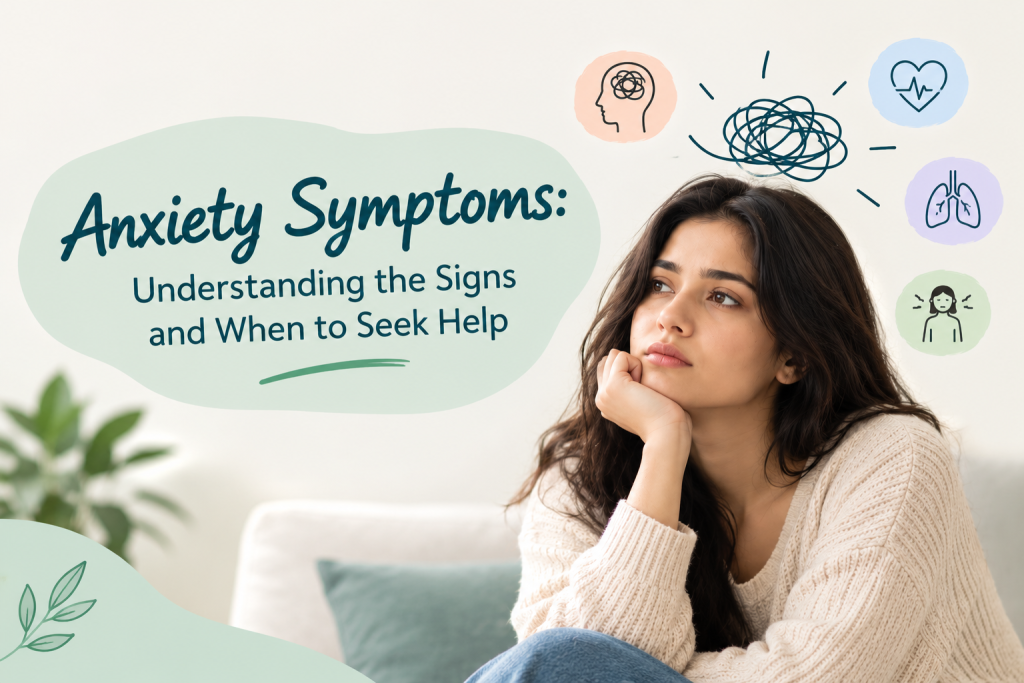
Anxiety is a normal emotional response to stress, uncertainty, or situations that feel challenging. Almost everyone experiences anxiety at some point in life. However, when worry becomes persistent, overwhelming, or difficult to control, it can start affecting sleep, concentration, relationships, work, and everyday activities.
Understanding the common anxiety symptoms can help you recognise when your worries may need professional attention. For people experiencing ongoing anxiety, consulting a qualified Psychiatrist in Chandigarh can be an important step toward understanding the problem and exploring suitable treatment options.
What Is Anxiety?
Anxiety is the body’s natural response to perceived stress or danger. It can make you more alert and prepared to respond to a difficult situation.
The problem arises when this response becomes too frequent or intense, even when there is no immediate danger. Anxiety may affect your thoughts, emotions, physical health, and behaviour.
Everyone experiences anxiety differently. Some people mainly notice excessive worrying, while others experience physical symptoms such as a racing heartbeat, muscle tension, sweating, or difficulty sleeping.
Common Symptoms of Anxiety
Anxiety can affect both the mind and body. Some common symptoms include:
1. Constant or Excessive Worry
Persistent worrying is one of the most common signs of anxiety.
You may:
- Worry about everyday situations repeatedly
- Constantly think about what could go wrong
- Find it difficult to control your thoughts
- Expect negative outcomes
- Spend a lot of time thinking about “what if” situations
Even when you realise your worries may be excessive, they can still feel difficult to stop.
2. Feeling Nervous or Restless
An anxious mind can make it difficult to relax. You may feel constantly “on edge,” restless, nervous, or unable to settle down.
Some people may also become easily irritated or frustrated.
3. Racing Heart
Anxiety can trigger the body’s stress response, which may cause:
- A fast heartbeat
- Pounding or noticeable heartbeat
- Fluttering sensations
- A feeling that your heart is beating unusually strongly
These sensations can sometimes make the person more frightened, which may further increase anxiety.
4. Breathing Difficulties
Some people with anxiety feel short of breath or unable to take a satisfying deep breath.
You may notice:
- Rapid breathing
- Chest tightness
- Difficulty taking slow breaths
- A feeling that you cannot get enough air
When these sensations appear suddenly and intensely, they can sometimes be associated with panic attacks.
Anxiety and Panic Attacks
Panic attacks can involve sudden intense fear accompanied by physical symptoms such as a racing heart, trembling, sweating, dizziness, chest discomfort, or difficulty breathing.
People who repeatedly experience panic attacks may begin worrying about when the next attack will happen. This can sometimes lead to avoiding certain places or situations.
A Psychiatrist for Anxiety & Panic Attacks in Chandigarh can assess these symptoms and help determine whether they are related to panic disorder, another anxiety condition, or another underlying issue.
5. Muscle Tension
Anxiety doesn’t only affect your thoughts. Your body may also remain tense for long periods.
Common complaints include:
- Tight shoulders
- Neck tension
- Jaw clenching
- Back discomfort
- General muscle stiffness
6. Difficulty Concentrating
When your mind is constantly occupied by worries, focusing on other tasks can become challenging.
You might find it difficult to:
- Concentrate at work or school
- Complete tasks
- Remember information
- Stay focused during conversations
- Make everyday decisions
7. Sleep Problems
Anxiety can make it difficult to relax at bedtime.
Some people experience:
- Trouble falling asleep
- Frequent waking during the night
- Racing thoughts at bedtime
- Poor-quality sleep
Lack of sleep can also make it harder to cope with stress, creating a cycle between anxiety and poor sleep.
8. Irritability and Mood Changes
Anxiety can sometimes appear as irritability rather than obvious fear.
You may feel impatient, frustrated, overwhelmed, or emotionally drained. These changes can sometimes affect relationships with family, friends, and colleagues.
9. Digestive Symptoms
Stress and anxiety can also affect the digestive system. Some people experience:
- Nausea
- Stomach discomfort
- Appetite changes
- Digestive disturbances
Persistent physical symptoms should be discussed with a healthcare professional rather than automatically attributed to anxiety.
10. Avoidance
One of the more noticeable behavioural signs of anxiety is avoiding situations that trigger fear or worry.
Someone may begin avoiding:
- Social gatherings
- Crowded places
- Travelling
- Driving
- Public speaking
- Work-related situations
- Certain places where they previously experienced panic
Although avoidance may provide short-term relief, it can eventually interfere with daily life.
Emotional Signs of Anxiety
In addition to physical symptoms, anxiety may cause emotional changes such as:
- Persistent fear
- Feeling overwhelmed
- Constant apprehension
- Difficulty relaxing
- Feeling that something bad may happen
- Difficulty controlling thoughts
- Increased need for reassurance
You don’t necessarily need to have every symptom for anxiety to affect your well-being.
When Should You See a Psychiatrist?
Occasional worry is a normal part of life. However, professional support may be useful when anxiety becomes persistent or starts interfering with your everyday routine.
Consider talking to a Psychiatrist in Chandigarh when anxiety is affecting your:
Sleep: You regularly struggle to fall asleep or stay asleep.
Work or studies: Worry and poor concentration make daily responsibilities difficult.
Relationships: Anxiety causes withdrawal, irritability, or frequent reassurance-seeking.
Social life: You avoid people or situations because you are afraid of feeling anxious.
Daily routine: Ordinary activities start feeling overwhelming.
Sense of safety: You constantly fear another panic attack or worry that something is seriously wrong.
How Is Anxiety Treated?
Treatment depends on the type and severity of anxiety and the individual’s circumstances.
A psychiatrist may recommend psychological therapy, medication, lifestyle changes, or a combination of approaches. The purpose of treatment is not simply to eliminate every anxious thought but to help a person manage anxiety more effectively and return to everyday activities.
A professional assessment can also help identify whether symptoms are related to general anxiety, panic attacks, or another mental-health concern.
Why Early Support Can Matter
Many people ignore anxiety symptoms because they believe they should be able to handle them on their own. Others may be concerned about being judged.
But persistent anxiety can affect quality of life when left unaddressed. Talking to a qualified mental-health professional can help you better understand your symptoms and identify appropriate options for support.
For individuals experiencing frequent anxiety or panic symptoms, seeking a Psychiatrist for Anxiety & Panic Attacks in Chandigarh can be a practical step toward professional evaluation and care.
Final Thoughts
Anxiety isn’t always easy to recognise. It may appear as constant overthinking, sleepless nights, physical tension, a racing heart, difficulty concentrating, or avoiding everyday situations.
If these symptoms are becoming a regular part of your life, consider speaking with a qualified Psychiatrist in Chandigarh. Understanding what you’re experiencing is the first step toward getting appropriate support.
Frequently Asked Questions (FAQs) About Anxiety Symptoms
1. What are the most common symptoms of anxiety?
Common anxiety symptoms include excessive worry, restlessness, irritability, difficulty concentrating, muscle tension, sleep problems, a racing heartbeat, sweating, and digestive discomfort.
2. Can anxiety cause physical symptoms?
Yes. Anxiety can cause physical sensations such as a fast heartbeat, trembling, sweating, chest tightness, muscle tension, dizziness, nausea, and changes in breathing.
3. How do I know if my anxiety needs professional help?
Consider seeking professional support when anxiety becomes difficult to control or starts affecting your sleep, work, studies, relationships, or daily activities. A Psychiatrist in Chandigarh can assess your symptoms and discuss appropriate treatment options.
4. Can anxiety cause panic attacks?
Anxiety and panic attacks can be closely related. Some people with anxiety may experience sudden episodes of intense fear accompanied by physical symptoms such as rapid heartbeat, sweating, trembling, dizziness, or breathing difficulties.
5. When should I see a Psychiatrist for Anxiety & Panic Attacks in Chandigarh?
You may consider consulting a Psychiatrist for Anxiety & Panic Attacks in Chandigarh if you experience frequent anxiety or panic symptoms, worry about having another panic attack, avoid everyday activities because of fear, or find that anxiety is interfering with your life.
6. Can anxiety affect sleep?
Yes. Persistent worrying and racing thoughts can make it difficult to fall asleep, stay asleep, or feel rested. Poor sleep may also make it harder to cope with stress.
7. Can anxiety be treated?
Yes. Anxiety can be managed with appropriate professional care. Depending on the person’s symptoms and circumstances, treatment may involve psychotherapy, medication, lifestyle changes, or a combination of approaches.
8. Is occasional anxiety normal?
Yes. Feeling anxious occasionally is a normal response to stressful or uncertain situations. Concern increases when anxiety becomes persistent, overwhelming, or starts interfering with everyday life.
9. Can anxiety go away on its own?
Mild, temporary anxiety may improve when a stressful situation passes. However, persistent or worsening symptoms should not be ignored. Professional assessment can help identify what may be causing the symptoms and what type of support may be appropriate.
10. Why should I talk to a mental-health professional about anxiety?
A mental-health professional can help you understand your symptoms, assess their impact, and guide you toward suitable support and treatment. Seeking help can be an important step toward improving your quality of life.